web analytics

Natasha Kulinski

rat control London

Top 10 Household Pests

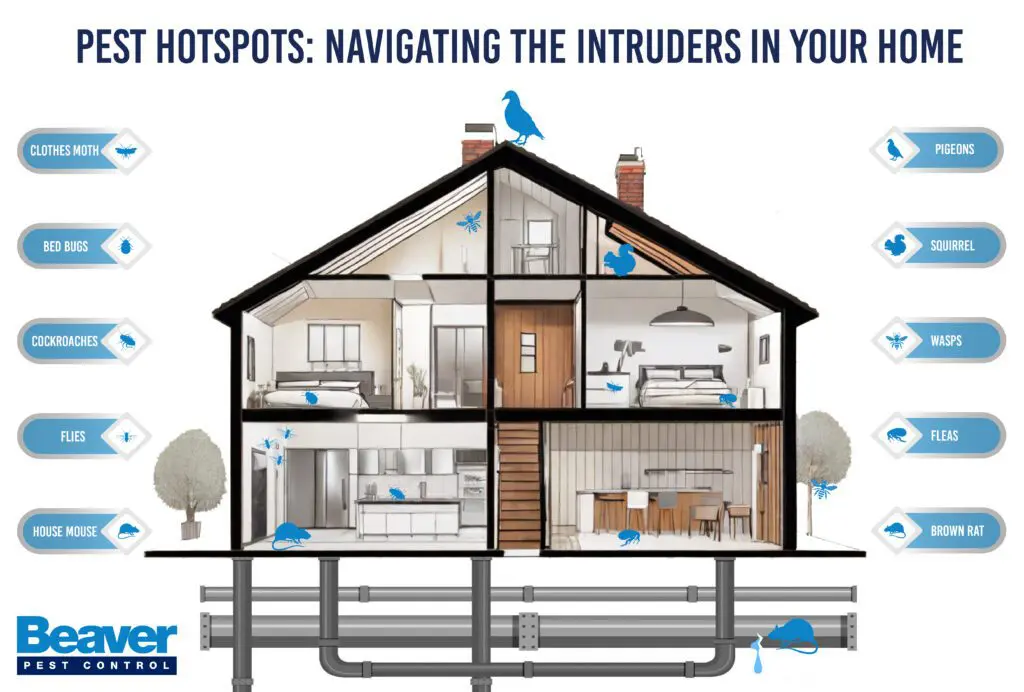
Our homes are considered our safe spaces, but unfortunately, sometimes our peace and safety are at risk from pests. Whether it’s rats, mice, bed bugs or other pests; dealing with household pests can be a challenge. Here’s a list of the top 10 household pests that might be unwelcome guests in your living space:

  • Mice
  • Rats
  • Birds
  • Bed Bugs
  • Squirrels
  • Wasps
  • Cockroaches
  • Fleas
  • Moths
  • Flies

MICE

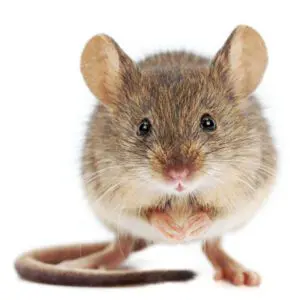
Mice are common household pests known for their ability to squeeze through tiny gaps, our rule of thumb is that if you can fit a pencil through it a mouse can get through! They can contaminate food, spread diseases, and cause damage by gnawing on various materials. 

BED BUGS

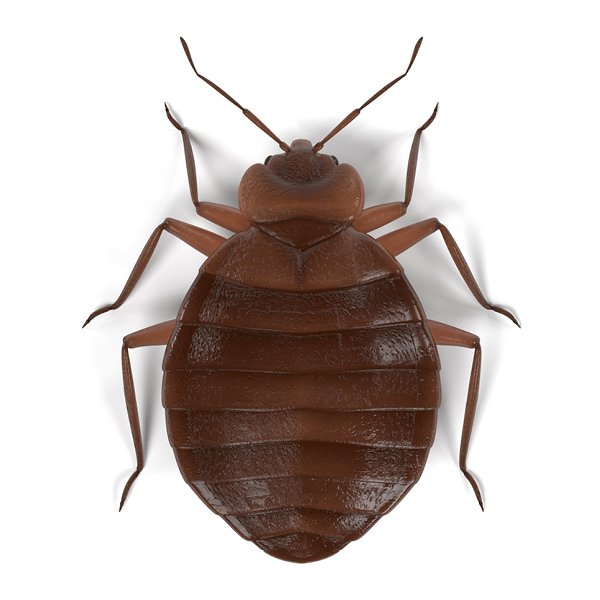
Bed bugs are notorious for causing sleepless nights with their bites. These tiny, reddish-brown insects hide in cracks and crevices around beds. Bed bugs are common across the world and increases in travel have allowed bed bugs to spread wide and far.

COCKROACHES

Cockroaches thrive in warm, moist areas and are attracted to food preparation areas. They are often found in kitchens or boiler cupboards. There are two common types of cockroaches in the UK; German Cockroaches and Oriental Cockroaches.

RATS

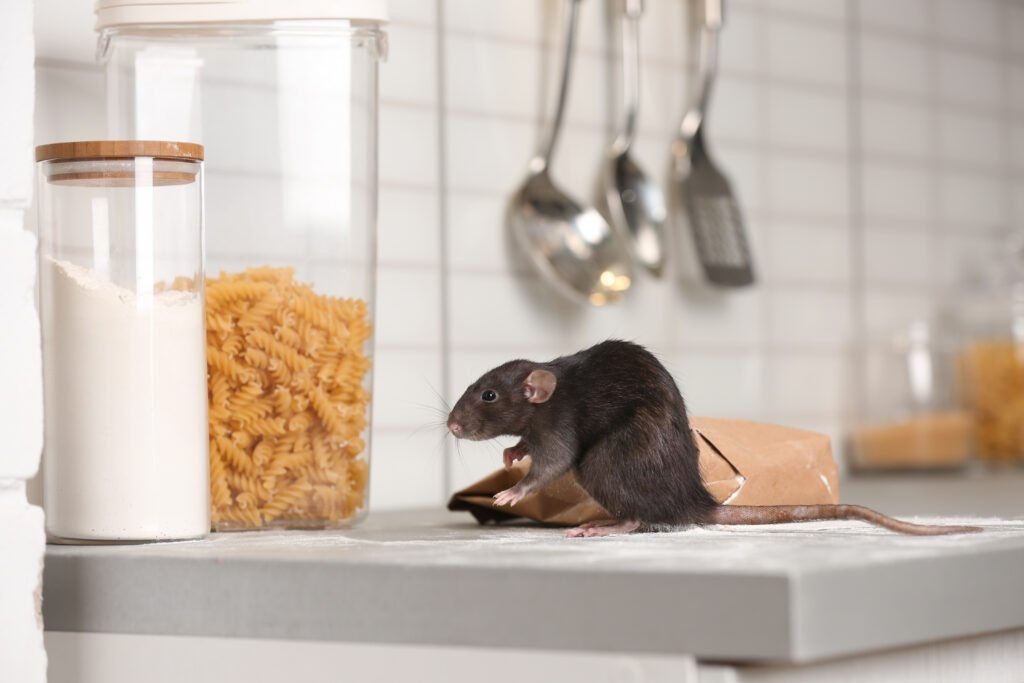
Rats are larger than mice and pose similar threats to health and property. 90% of rat infestations are linked to drain defects hence the more common name of “sewer rats”. Rats are neophobic (scared of new objects in the environment) making treatment tricky especially if the underlying entry points aren’t found and sealed.

SQUIRRELS

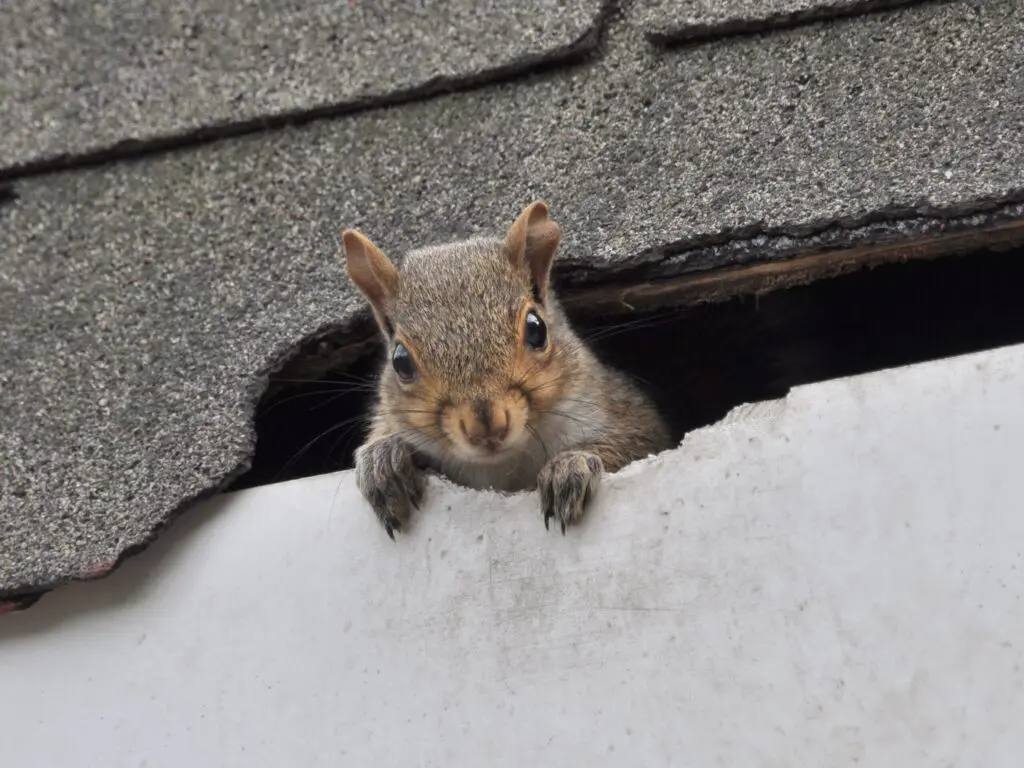
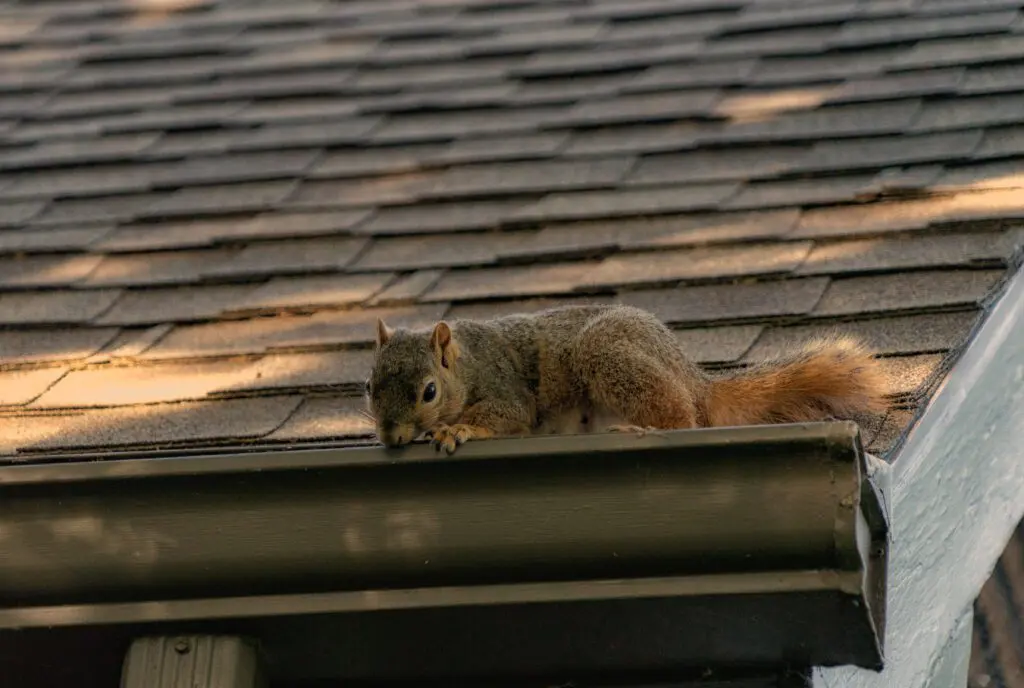
Squirrels can enter homes looking for shelter, especially during colder months. They are known to use overhanging branches to gain access to your roof and make themselves at home in attic spaces. When cornered, squirrels can be aggressive and very destructive.

FLEAS

Fleas often enter your homes from your pets. Cat fleas are the most common flea in the UK but other animals are prone to fleas. Once in our homes, fleas will rapidly multiply by feeding on your pets and you. Fleas will lay larvae in your carpets, bedding and soft furnishings making eradication tricky.

FLIES

Flies are not only annoying but also carry food-poisoning bacteria. There are a number of common fly species in the UK; whether you are dealing with bluebottles, fruit flies or drain flies, it’s important not to ignore the risks associated with them.

URBAN BIRDS

While birds might seem harmless, they can become pests when nesting in under your solar panels or window ledges. Birds can cause health risks when guano (droppings) build-up. Guano can damage your building materials, harbour harmful bacteria and pathogens, and create slip hazards.

WASPS

Wasps can be aggressive and can cause life-threatening stings to those allergic. Wasps will create nests in your garden, wall cavities, attic spaces and even underground. Wasp nests are most active between the summer months; June and August.

MOTHS

Common clothes moths can be tricky to deal with. The moth caterpillars, known as “woolly bears” due to their hairy exterior are what cause the damage to clothes. They will feed on textiles and fabric to grow and are often left unnoticed until damage has been done. 

As a homeowner, being proactive in identifying, preventing, and controlling household pests is essential. We would always recommend you seek professional pest control services to deal with rodents and insects effectively. Call us on 020 8355 3443 to get advice or book a professional visit today.
squirrel control London

Our top squirrel deterrent tips for protecting your attic this winter!

Squirrels aren’t usually the first animal that springs to mind when we talk about pest control. But, as with all of the pests we deal with, once they are in your home, they certainly are pests!

If you have ever had a squirrel in your attic or are worried it could happen to you then these top squirrel deterrent tips will help you keep your home squirrel free.

Squirrels can be an issue all year round. However, the winter months, from September to March while the temperature is at its lowest, are the most common times for squirrels to find their way inside.

Why do squirrels go into attics?

Attics provide a warm and secure place for squirrels to make nests and shelter from the harsh weather outside. A squirrel nest, called a drey, is usually made in a tree from twigs, branches and leaves. However, given the opportunity, squirrels will come into an attic and use twigs and branches they may bring in. They will also use any insulation or shredded papers and boxes they may find in your attic to make a nest.

Our top 5 tips on how to prevent squirrels

Your Garden: Squirrel Deterrent

Whilst you can’t prevent squirrels from entering your garden, there are ways to make your garden less welcoming. This in turn will reduce the likelihood of them entering your home.

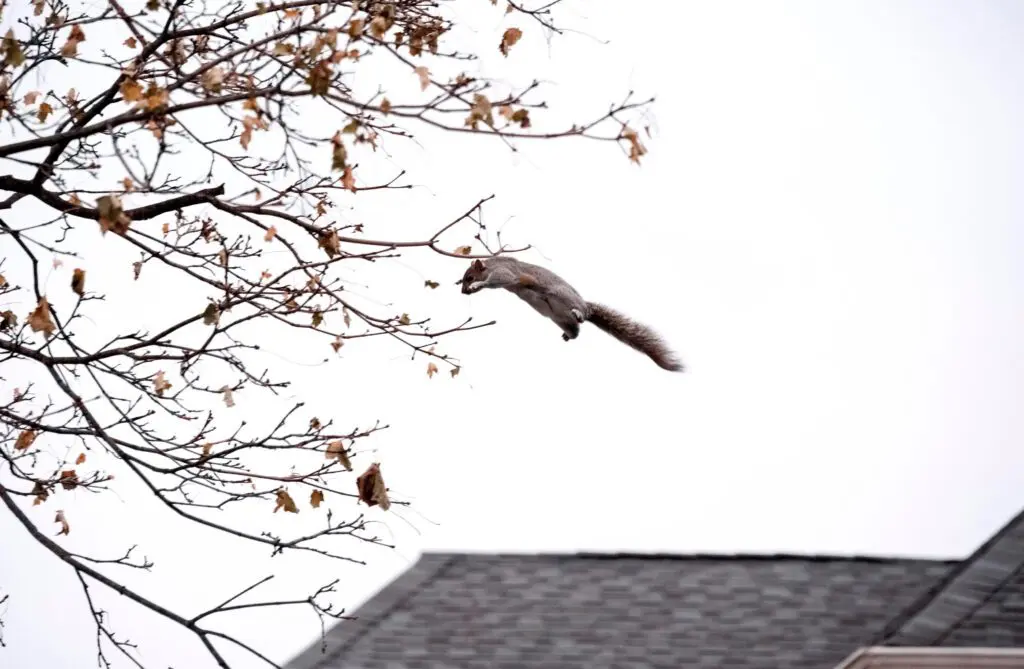
Tip no. 1: Trim and tree branches that overhang your roof or near your roof. These are used as pathways for squirrels to access the roof. Squirrels can jump from anywhere between 8ft – 12ft so consider this when cutting back your foliage. The same goes for dense ivy on your building, this can be used as a ladder for squirrels giving easy access to the roof.

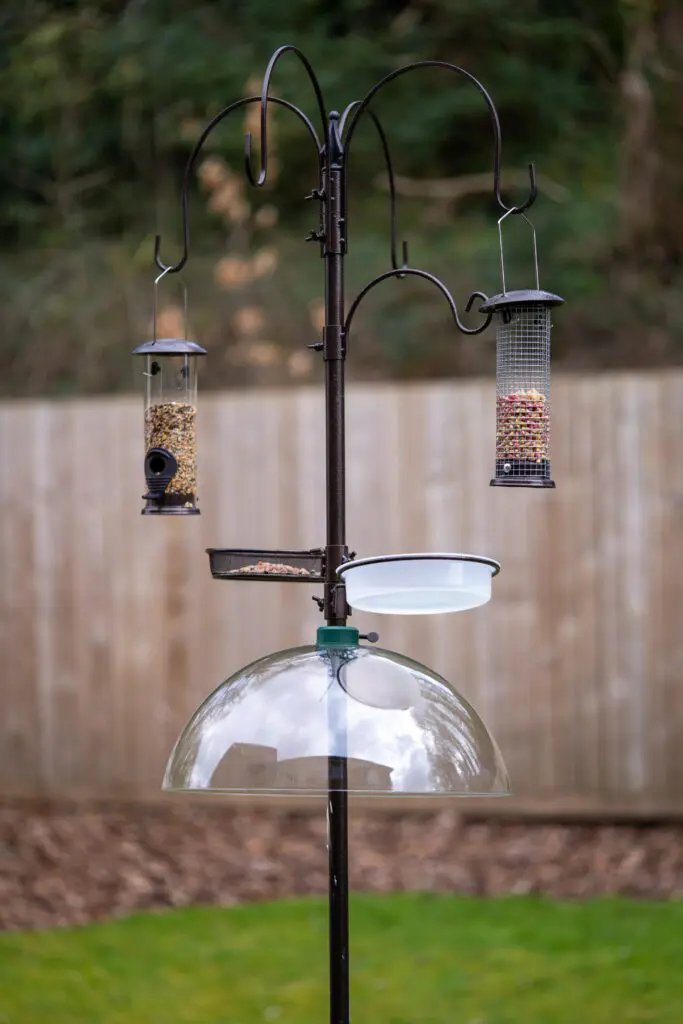
Tip no. 2: squirrel deterrents; use squirrel guards or baffles on your bird feeders to make your garden less inviting. If squirrels know they are unable to get food easily in your garden they will move on to easier pickings.

Squirrel leaps from rooftops to tree branches

Your Home: Squirrel Deterrent

If the squirrels have managed to get past the garden defences, then the next step it to ensure your home is secure. 

Tip no. 3: Proofing! Seal all entry points to your attic using metal plates or mesh. Squirrels are strong and can gnaw through softer materials so expanding foam won’t cut it.

Food Storage

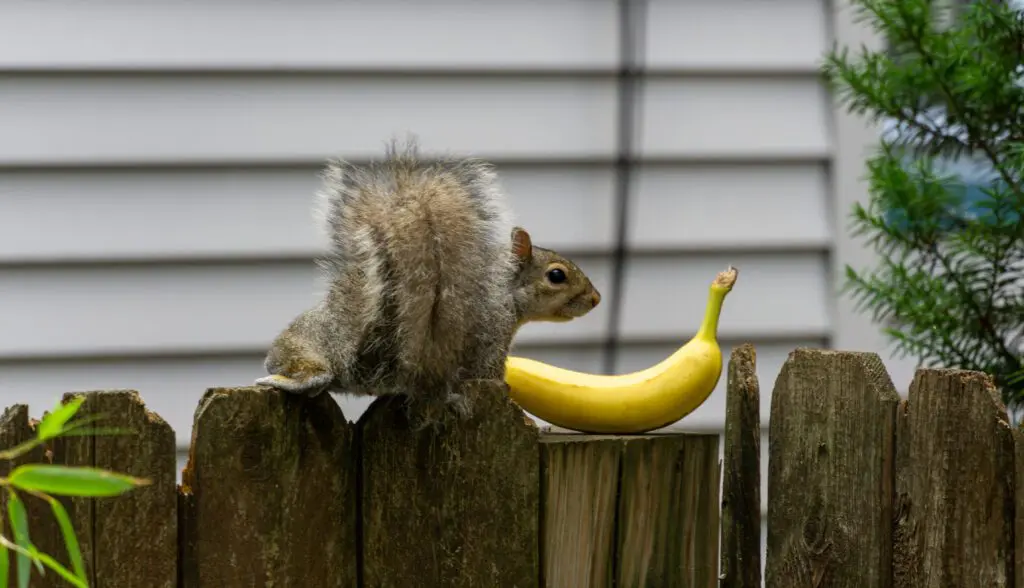
Squirrels are attracted to live in close proximity to humans due to the abundance of food. We leave food in our gardens for the birds. We leave our rubbish bins full of food outside. Their basic need for food keeps squirrels coming back time and time again. 

Tip no. 4: Keep any bird feed or nuts in secure, airtight containers to prevent squirrels from getting access to them.

Tip no. 5: Keep your bins sealed with lids on to prevent squirrels from finding food sources.

Hopefully, these top tips will help you prevent squirrels from getting in your attic. If however, you find yourself coming across this article too late and you already suspect you have a squirrel in your attic, our team of local, professional pest controllers are here to help.

Call our team on 020 8355 3443 to find out treatment options for squirrel removal or request a free call back.

Bedbug detection under mattress

Bed Bug FAQ: Answering your burning bed bug questions.

Bed bugs are tiny pests that can cause big problems. These sneaky creatures love to hide in cracks, crevices, and bedding, making it hard to spot them. As a pest control company working with both businesses and residents in the UK, we come across bed bugs frequently. This blog is to share the answers to some of key questions people are asking about bed bugs. We’ll explore the appearance of bedbug bites, the characteristics of these bugs, and delve into the life cycle of bedbugs, including their eggs to help you understand if you are dealing with bed bugs or another type of pest.

What do Bed Bug Bites Look Like?

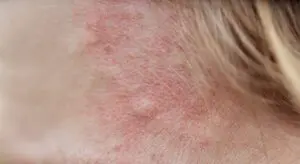
Bed bug bites can vary from person to person, but they generally share some common characteristics. These bites often appear as small, red lumps with a darker middle. The bites may be grouped in a line or a cluster on your neck, shoulders, back, legs or arms. Itching is a common symptom, and some individuals may experience an allergic reaction that leads to more severe reactions.
close up pictures of bed bug bites

What Does a Bed Bug Look Like?

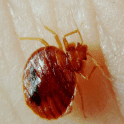
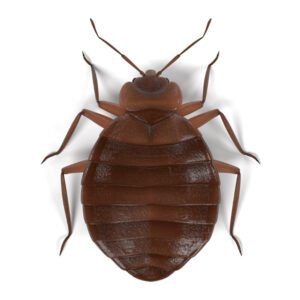
Early detection of a bed bug infestation is crucial for effective pest control. Adult bed bugs are small, oval-shaped insects with a reddish-brown colour. They are about the size of an apple seed, 4-6mm in length. They are flat, allowing them to hide in cracks and crevices easily. Bed bugs have six legs, antennae, and a specially adapted mouthpiece that they use to pierce the skin and feed on blood. The nymphs (young bed bugs) are smaller and lighter in colour but share the same general body shape.
Bedbug

How Long Do Bed Bug Eggs Take to Hatch?

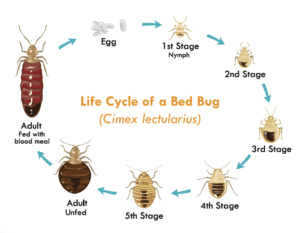
The life cycle of a bed bug includes several stages, with egg hatching being a critical part. Bed bug eggs typically take about 6 to 10 days to hatch, depending on environmental conditions such as temperature and humidity. Warm and humid conditions are favourable for faster development, while cooler environments may extend the hatching time
.life cycle of a bed bug

What Do Bed Bug Eggs Look Like?

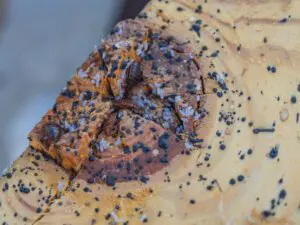
Bed bug eggs are tiny, measuring about 1mm in length, and are often translucent or pearly white. They are usually found in clusters and are attached to surfaces like furniture or fittings with a sticky substance. The eggs are resistant to many common insecticides, making thorough inspection and treatment essential for effective control.
Bed bugs, bed bug eggs, bed bug feces

How Long Can a Bed Bug Live Without Feeding?

Bed bugs are resilient when it comes to survival without a blood meal. In ideal conditions, adult bed bugs can live for several months without feeding. However, they are opportunistic feeders, and when a suitable host is present, they will actively seek a blood meal. Nymphs, on the other hand, may only survive a few weeks without feeding.

Do bedbugs transmit diseases through their bites?

Currently, there is no evidence to suggest that bed bugs transmit diseases through their bites. However, their bites can lead to itching, discomfort, and in some cases, allergic reactions.

How can I prevent a bedbug infestation?

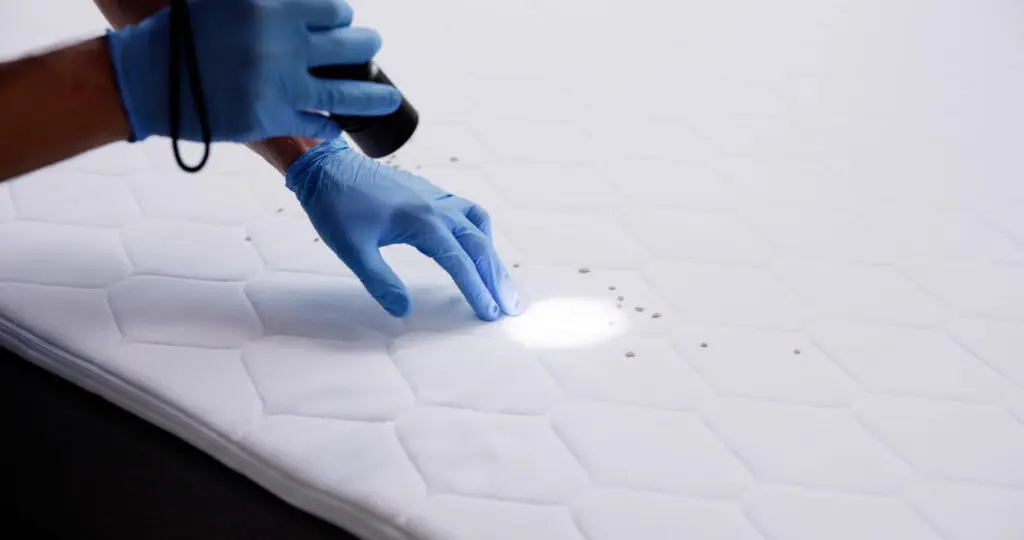
Regularly inspect your living and sleeping areas for signs of bedbugs, such as small reddish-brown insects, tiny eggs, or dark fecal spots. Keep your living space clutter-free and consider using protective mattress covers. If you are running a business that is affected by bed bugs on a regular basis such as hotels, you should consider pro-active bed bug monitoring such as Spotta.

Proactive Bed Bug Monitoring for Hotels

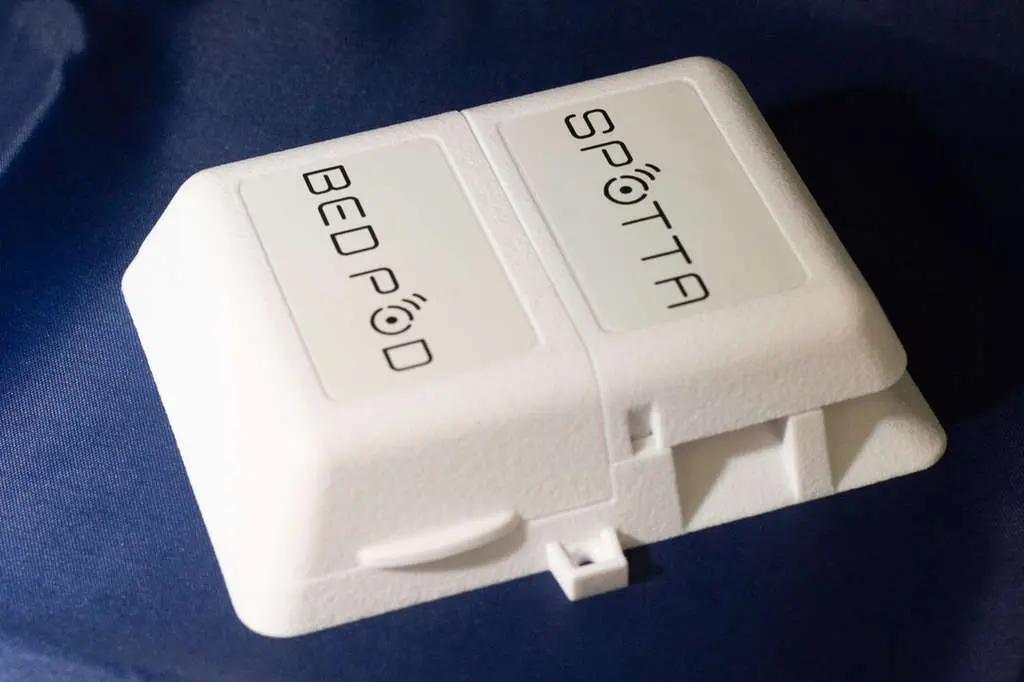
spotta bed bug detector

Spotta™ Remote Bed Bug Monitoring

Spotta™ is an innovative technology which uses remote monitored Bed Pods which attract insects and identifies bedbugs at an early stage. The
Bed Pods automatically notify your local pest control technician.
Spotta™ is a highly effective solution that requires zero commitment from
hotel staff and zero visibilty to guests. The Bed Pod has no wires, no sound
and no smells. It is also placed hidden from view to protect your reputation.
This 24/7 automatic detection solution is an innovative approach to bed
bug monitoring.

Dog screen for bedbugs

Dog Screens

Dog screens use highly trained dogs to detect bed bugs throughout your hotel. They are a quick and efficient way of screening rooms. The dogs will provide an accurate assessment of which rooms have an active infestation and are in need of treatment at the time of the screening. They can be used as an early detection service if used on a regular basis. It only takes a trained dog 1-2 minutes to search an entire hotel room. They are a great opportunity to provide due diligence and protect your business from false claims.

TruDetX Bed Bug Rapid Test

The TruDetx Bed Bug Rapid Test is a fast-acting, reliable test kit designed to accurately detect bed bug infestations, whether at high or low levels. According to scientific tests, Trudetx rapid bed bug tests were performed with 90% precision. This was achieved with extremely low bed bug activity and in hard-to-reach areas. They can now detect even low-level bed bug infestations quickly with a science-based test. This means that our customers can feel confident in moving forward with treatment to solve the problem quickly.

If you are concerned you may have bed bugs contact one of our team today on 020 8355 3443 and we can help you assess your pest problems.

Are you using your guests as bed bug detectors?

If you work in the hospitality industry, you will be well aware that bed bugs are not new to the UK (despite the increased media coverage in recent months). Bed bugs have been an increasing challenge for hotels across the UK for decades. However, with the spotlight so firmly on bed bugs currently, there has been an increased drive for innovation to come up with new solutions to this challenge. The reality is, that as long as we have a thriving hospitality industry, we will be faced with bed bugs. These insects are spread through travel. They hitchhike across the world on luggage and clothing and whether you are a 5* hotel or a local B&B, you will likely face these insects in the coming months. 

Are your current solutions effective enough for your hotel?  We will introduce you to the latest innovations on the market with regard to bed bug control.

How do you currently find out about bed bug infestations?

Generally, there are one of three ways you are finding out about bed bug infestations in your hotel.

  1. The first way, and the least preferred way, is from your guests. If you have had a guest complain about bed bugs, you have already started losing money. 
  2. The second way is your housekeeping teams. Your housekeeping teams are in the rooms regularly, you may offer training on identification and rely heavily on them finding signs of infestation before your guests do. The issue with this is that your housekeepers are not pest control experts. By the time they spot the infestation, the likelihood is there are blood stains on the sheets or mattress (which means guests have already been bitten). The other issue is that your housekeeping team are on a tight schedule to turn rooms. They won’t be carrying out a thorough bed bug survey.
  3. The third option is that you are taking a more pro-active approach to bed bug surveys. There are several solutions you may have tried for this: dog screens, visual inspections from an expert or the more innovative digital solution on the market; Spotta™. 

How much does a bed bug infestation cost your business?

Would you be surprised to hear that research has shown bed bug infestations can cost up to £55k per year based on a 200-room property with 10 bed bug incidents per year? The cost of treatment is just a small proportion of the total cost to a hotel. Research has shown there are far greater costs from loss of reputation, and customer loyalty than the immediate operational costs of having rooms out of action and having to pay compensation.

Recent studies showed that 75% of customers who find bed bugs will never return to that brand of hotel!

How important to you is your reputation?

We live in a world where a single customer with a negative experience can reach hundreds of thousands of people. Your brand, your reputation, and your customer’s experiences are continuously being scrutinised on social media as well as review sites. Maintaining a positive image has never been so closely intertwined with the success of your business.

A 1* bed bug review costs hotels an average of £10/night on every single booking made. 

What is the solution?

In short: pro-active bed bug monitoring. There are a number of solutions that fall under the heading of pro-active monitoring for bed bugs. Some may argue that having housekeeping check the beds is pro-active enough. The reality is that housekeepers are changing the sheets well after the bed bugs have gone back to their cracks and crevices for the day. Unless the infestation is severe this is ineffective. So what solutions are available at night when bed bugs are feeding? In a day and age where digital data-driven solutions are impacting every industry, it makes sense to consider the impact technology could have on your pest control. 

Introducing: Spotta™

Spotta™ is a technology solution that continuously monitors and identifies bed bugs in real-time. It provides alerts that allow timely intervention and treatment, limiting the damage to reputation. The system involves installing a Bed Pod in each bed under each mattress that contains a pheromone lure to attract bed bugs. Once inside the Bed Pod, a photo will be taken of the insect. A combination of AI technology and a team of expert entomologists will confirm the species and alert your local technicians. They will treat the room and because the infestation has been identified quickly. The treatment is likely to be more successful and the rooms can be returned to service more quickly. 

In 94% of cases, Spotta™ identified the bedbugs before a guest was bitten. 

Our webinar below explains the Spotta™ solution in more detail.

bedbug control London

A Guide to Dealing with Bed Bugs

Bed bugscontinue to be a concern for both homeowners and businesses. Beaver Pest Control understands the importance of effective pest management, so in this blog, we’ll look at the impact bed bugs have on our daily lives, the challenges they pose, and how to effectively deal with them.

Identifying Bed Bugs

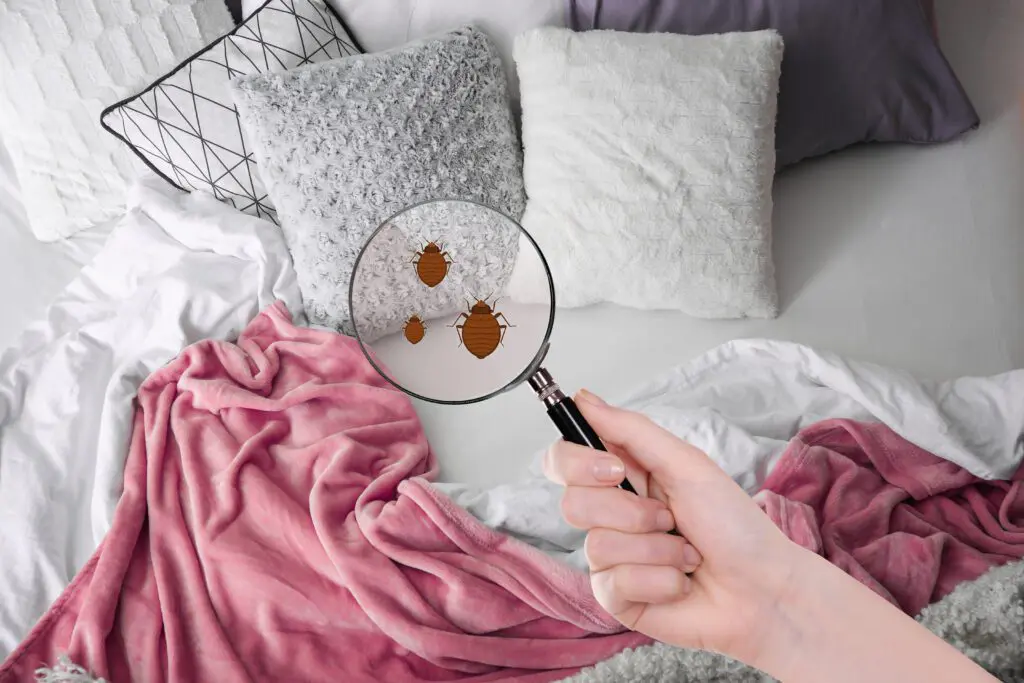
It is critical to confirm that you are dealing with bed bugs before taking action. These small reddish-brown insects are about the size of an apple seed. They hide in the cracks, crevices, and seams of mattresses, furniture, and walls during the day, emerging at night to feed on human blood. Beaver Pest Control recommends thorough inspections to confirm their presence. Understanding the extent of the infestation is crucial to effective treatment.

bedbug control London

Detecting Bed Bugs

One of the first steps in bed bug control is identifying their presence. Look for the following signs:

  • Bites: Bed bug bites often appear as itchy, red welts on the skin, typically arranged in a linear pattern.
  • Exoskeletons: Bed bugs shed their exoskeletons as they grow. Finding these translucent shells is a sign of infestation.
  • Blood Stains: Small rust-coloured or reddish-brown stains on bedding or furniture may result from crushed bed bugs.
  • Live bedbugs: They are visible to the human eye. Check the mattress seams and around any mattress buttons. 

Treatment Options

Once you’ve confirmed a bed bug infestation, it’s time to consider your options: 

  • DIY Approaches: Some people attempt to deal with bed bugs themselves using DIY methods, such as vacuuming, washing bedding in hot water (60c), and using bed bug sprays. While these may offer temporary relief, they often fall short of complete eradication, especially if the focus remains just on the bed. Bed bugs are known to spread around the room and even to adjacent rooms, so thorough inspections are vital.
  • Professional Pest Control: Beaver Pest Control recommends consulting professionals. Professional pest controllers use effective, safe, and environmentally responsible methods to eliminate bed bugs. This option provides peace of mind, knowing that the infestation will be dealt with comprehensively.Our teams are experienced in dealing with bed bugs and can ensure the infestation is fully treated. Options include insecticidal treatments, heat treatments, steam treatments and dust treatments. 

Trade-offs and Challenges

Every approach to bed bug control comes with its trade-offs. DIY methods can be time-consuming and may not fully eliminate the infestation. Professional services, on the other hand, may involve some expense but offer a higher likelihood of success. It’s essential to weigh these factors carefully. Our experience is that if DIY approaches do not fully eliminate the problem, bed bugs have time to breed and the infestation increases resulting in a higher cost when the pest professionals are eventually called in. Dealing with an infestation early can save you money and hassle.

The Impact on Well-being

Considering the impact on your well-being is crucial when dealing with bed bugs. Sleepless nights, anxiety, and the risk of allergic reactions to bites are factors to consider. In this regard, the quicker and more effective the solution, the better for your peace of mind.

Conclusion

Bed bugs are a persistent problem that requires careful consideration and a strategic approach. Beaver Pest Control encourages individuals and businesses to take bed bug infestations seriously and explore their treatment options thoroughly. While DIY methods can be explored, professional pest control services often provide the most reliable and efficient solution, ensuring your safety, well-being, and peace of mind.

Remember, addressing bed bugs promptly can prevent their spread and minimise their impact on your daily life. Don’t hesitate to reach out to Beaver Pest Control for expert assistance in tackling bed bug infestations effectively.

Seasons

A Year of Pests: Seasonal Pest Patterns in the UK

Pests are a persistent challenge throughout the year, but their activity levels often experience distinct spikes in different seasons. Certain pests become more prevalent during specific times, requiring tailored strategies for effective management. In this guide, we’ll delve into the seasonal patterns of pests in the UK, offering valuable insights on how to identify, prevent, and address these issues.

Spring: New Pests

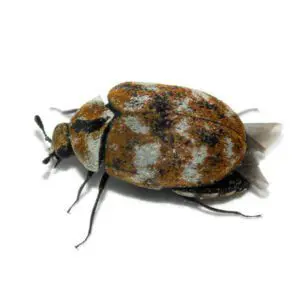
As spring emerges, so do insects. Carpet beetles and moths come to the forefront, causing concerns for homeowners.

Carpet Beetles

These tiny invaders have a knack for infesting carpets, upholstery, and stored fabrics. Their activity peaks in spring, with their larvae feasting on natural fibres. To tackle carpet beetle infestations:

  • Regularly vacuum carpets, rugs, and upholstered furniture.
  • Store clothing and fabrics in airtight containers to limit access.
carpet beetle control London

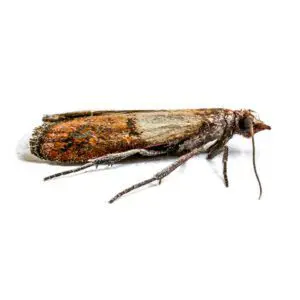
Moths

Spring is also a prime time for moths, especially clothes moths and SPI moths. These pests can damage clothing and food supplies. Effective moth management involves:

  • Storing clothing in moth-proof bags or containers.
  • Ensuring food items are sealed tightly in airtight containers.
  • Check lofts for bird nests. Insects often originate from nests.
Moth Control London

Summer: Prolific Pest Activity

Summer brings an upsurge in pest activity, both indoors and outdoors. Flies, wasps, ants, mosquitoes, and bedbugs become particularly active during this season, creating a range of nuisances.

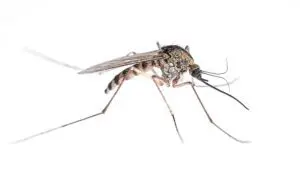
Mosquitoes

With higher temperatures and humidity, mosquitoes thrive during summer, making outdoor activities uncomfortable. To mitigate the mosquito problem:

  • Eliminate any standing water sources around your property.
  • Wear protective clothing and use insect repellent when outdoors.
Common Mosquito isolated on white.

Bedbugs

While a year-round concern, bedbug activity intensifies in summer due to increased travel. Manage bedbug infestations by:

  • Regularly checking and cleaning upholstered furniture and bedding.
  • Exercising caution when selecting lodging during travel.
bedbug control London

Ants

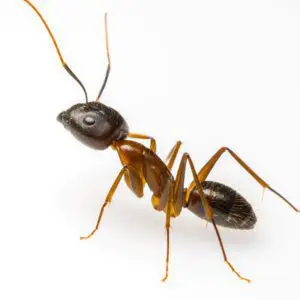
Warmer temperatures prompt ants to seek food sources indoors. Prevent ant invasions by:

  • Sealing crevices and openings that ants could exploit.
  • Properly storing food in airtight containers.
ant control London

Wasps

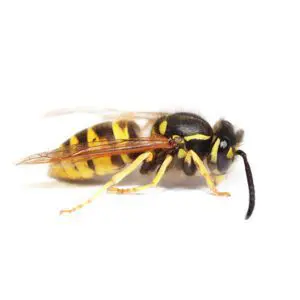
Throughout summer, wasps construct nests in various outdoor spaces. These nests can pose risks, especially in areas with human activity. Control wasps by:

  • Regularly inspecting your property for nests and dealing with them.
  • Exercising caution in wasp-prone areas.
Wasp Control London

Flies

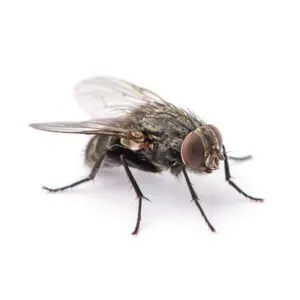
Flies thrive in the warmth of summer, proving to be a nuisance both indoors and outdoors. Keep them at bay by:

  • Using fly screens on windows and entrances.
  • Maintaining tidy outdoor spaces and minimising exposed food.
Fly Control London

Autumn: New Pest Challenges

Autumn introduces a fresh wave of pest activity, with fleas, spiders, and rodents taking the spotlight.

Fleas

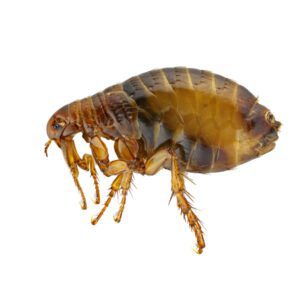
Cool and damp autumn weather creates ideal conditions for fleas to flourish. Combat fleas by:

  • Treating pets for fleas regularly and employing prevention measures.
  • Regularly cleaning pet bedding and living areas.
flea control London

Spiders

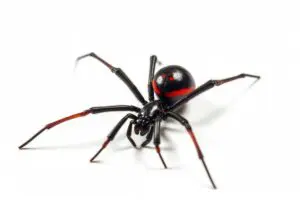
As autumn approaches, spiders seek warmth indoors. While most spiders are harmless, their presence can be unsettling. Manage spiders by:

  • Sealing gaps in windows and doors to limit entry.
  • Keeping indoor spaces clutter-free to reduce hiding spots.

Rodents

With dropping temperatures, rodents like rats and mice become more active, seeking warmth and food. Prevent rodent infestations by:

  • Sealing gaps and openings in your home’s exterior.
  • Storing food in rodent-proof containers and using traps if needed.
mouse control London

Winter: Battling Cold-Weather Pests

Winter ushers in a new set of pests, including foxes and silverfish, along with continued rodent activity.

Foxes

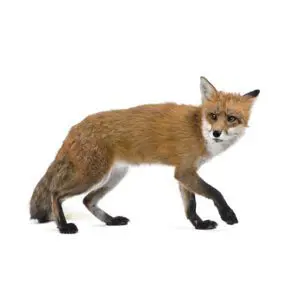
Urban foxes can be a challenge, digging up gardens and even entering properties in search of food. Manage fox-related issues by:

  • Securing rubbish and compost bins to deter scavenging.
  • Using repellents or fencing to limit access.
Fox Control London

Silverfish

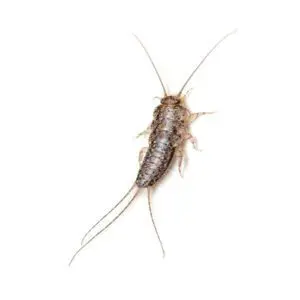
Damp winter conditions encourage silverfish infestations, which can damage paper, fabrics, and stored items. Address silverfish problems by:

  • Reducing indoor humidity levels to discourage their presence.
  • Storing books, documents, and fabrics in dry, sealed containers.
Silverfish Control London

By understanding the seasonal pest trends in the UK and adopting preventive measures, you can significantly reduce the risk of infestations and enjoy a pest-free environment throughout the year. Whether it’s rats in winter or ants in summer, a combination of prevention, cleanliness, and targeted treatments can keep pests at bay. Embrace each season without fretting over pest-related problems, ensuring a comfortable and enjoyable living space year-round.

Let’s talk about your pest problem. Call Beaver Pest Control London on 0208 355 3443


CALL US NOW

Wandsworth Business Awards

Triumph and Excellence: Beaver Pest Control Shines at the Wandsworth Business Awards

This week, we had a wonderful evening attending the annual Wandsworth Business Awards, a prestigious event that celebrates business achievements and innovation in the Wandsworth borough. This year’s ceremony brought together a diverse range of businesses from across the borough, celebrating successes in different categories. We are incredibly proud and excited to share the amazing achievements of Beaver Pest Control at the esteemed Wandsworth Business Awards 2023. These awards recognise our commitment to excellence, innovation, and outstanding customer service. We are celebrating our successes and reflecting on the remarkable journey that led us to win in multiple categories.

  • Innovation Award – Commended
  • Best Large Business – Highly Commended
  • Best Customer Service – Winner
  • Overall Business of the Year 2023 – Winner

Best Customer Service – Winner

This category acknowledges the exceptional role that customer service has in a business’s success. At Beaver Pest Control, we believe in the importance of excellent customer service. Our teams are dedicated to providing the best customer care and this award recognises all the hard work that has been carried out over the years to ensure our customers are happy. We ensure all our teams understand the importance of excellent customer care.

Overall Business of the Year 2023 – Winner

The Overall Business of the Year Award is the highest honour at the Wandsworth Business Awards. This special award celebrates a business that has excelled in all areas, including financial performance, customer satisfaction, innovation, and community engagement. It is an honour to be named the Overall Business of the Year 2023. We are immensely grateful to our dedicated team, whose hard work and effort have been incredible.

We extend our heartfelt gratitude to our customers, dedicated employees, and the Wandsworth community for their support. We are committed to our mission to provide outstanding pest control services, drive innovation, and exceed customer expectations. Our vision is “to have the happiest customers and the happiest staff in the industry” and these awards show that we are on the right path.

Credits to The Quick Brown Fox Video Production Ltd and Charlie Round-Turner for producing this video of the night.

Trend Analysis Pest Control

Embracing Cutting-Edge Solutions: Emerging Trends in Integrated Pest Management for Facilities Management

In today’s rapidly evolving world, facilities management is a growing sector. One significant challenge faced by facilities managers is the effective control and prevention of pests. As pests become more resilient and adaptable, the need for innovative pest management is at an all-time high. In this blog, we will explore the emerging Integrated Pest Management (IPM) trends that are revolutionising the management of pests to support Facilities Managers and highlight how Beaver Pest Control is at the forefront of these advancements.

Technological Advancements

The integration of technology continues to enhance IPM practices, providing efficiency and precise information. Remote monitoring devices, such as sensors and cameras, are now commonly used to monitor pest activities and identify infestations promptly. Beaver Pest Control’s Beaver 24/7 services use state-of-the-art technologies to provide real-time data, enabling proactive pest management strategies that prevent costly infestations. Reports are clear and easy to read providing relevant information for Facilities Managers. 

Eco-Friendly Approaches

Sustainability is a growing concern for businesses across industries. Facilities managers are increasingly seeking eco-friendly pest control solutions that minimise environmental impact. At Beaver Pest Control, we prioritise the use of environmentally friendly products, ensuring effective pest management while maintaining a sustainable approach.

Data-Driven Decision Making

The availability of enhanced Data and analytics continue to change how pest controllers approach pest control. Advanced software systems can analyse pest-related data to identify patterns, anticipate pest outbreaks, and optimise preventive measures. Beaver Pest Control harnesses the power of data analytics, allowing informed decisions and the implementation of proactive pest control measures tailored to the sites specific needs.

Integrated Pest Management Programs

To combat the increasing complexity of pest infestations, a holistic approach is necessary. Integrated Pest Management (IPM) programs combine multiple strategies, including inspection, exclusion, monitoring, and targeted treatments. Beaver Pest Control specialises in developing customised IPM programs, tailored to the unique requirements of each site. By integrating various pest control techniques, we ensure comprehensive and long-lasting results.

The incorporation of cutting-edge technologies, eco-friendly approaches, data-driven decision-making, and integrated pest management programs has become essential for successful pest control. Beaver Pest Control is committed to embracing these trends, providing London-based businesses with innovative and sustainable pest control solutions that deliver outstanding results. With our expertise and dedication, we strive to create pest-free environments that foster productivity, health, and peace of mind.

Remember, when it comes to pest management, prevention is key. Trust Beaver Pest Control to be your partner in combating pests and safeguarding your reputation. Contact us today to explore our range of advanced pest control services tailored to your specific needs.

school pest control

Creating a Safe and Hygienic Learning Environment with Professional School Pest Control in London

When it comes to providing a healthy and safe learning environment for students and staff, school pest control is crucial. Pests like rodents, bed bugs, and cockroaches can pose serious health risks and also cause disruption. If you’re a school in London, you need to prioritise pest control to ensure a clean and healthy learning environment.

Importance of Pest Control for Schools

School pest control is important because pests can cause health problems, including allergies, asthma, and infections. Pests can also damage property, contaminate food, and create an unpleasant learning environment. The most common rodents affecting schools are:

Rodents

Rodents are common in schools in the UK for a variety of reasons. Firstly, schools provide an abundance of food sources, such as improperly stored snacks in students’ bags or crumbs left behind in classrooms and cafeteria areas. These attract rodents like rats and mice, which are known for their scavenging behaviour. Additionally, schools often have multiple entry points, including gaps in doors or windows, making it easier for rodents to enter and establish a presence within the premises. Furthermore, the warmth and shelter offered by school buildings make them attractive nesting sites for rodents seeking refuge from harsh weather conditions.

Cockroaches

Cockroaches are also commonly found in schools in the UK due to several factors. Firstly, these resilient pests are attracted to the ample food sources available in school settings, including spilt food, uncleaned crumbs, and improperly stored snacks. Cockroaches are known to feed on a wide range of organic matter, making schools an ideal environment for their survival and reproduction.

Flies

Flies are another common nuisance in schools throughout the UK, and their presence can be attributed to several factors. Firstly, flies are attracted to decaying organic matter, including food waste and garbage. Schools, with their bustling cafeterias and communal spaces, can generate a significant amount of organic waste, especially if proper waste management practices are not in place. The presence of uncovered food, spilt drinks, or unemptied rubbish bins can easily attract flies, leading to their infestation. Additionally, flies can enter school buildings through open doors and windows, especially during warmer months when ventilation is necessary. Lack of proper screens or other preventive measures can allow flies to enter freely.

Bedbugs

Bedbugs can be a common problem in boarding schools in the UK for several reasons. Firstly, the close proximity and shared living spaces in boarding schools create an ideal environment for bedbug infestations to spread quickly. These pests are notorious for hitchhiking on clothing, bedding, or personal belongings, allowing them to move easily between rooms and even travel with students when they return home during the school holidays. Furthermore, the dense population and constant occupancy of beds in dormitories provide ample hiding places and opportunities for bedbugs to feed on human blood during the night. If not addressed promptly, infestations can become widespread and persistent, affecting the overall well-being and comfort of students.

Birds

Birds can often be found in and around schools in the UK due to various factors. Firstly, schools are typically located in areas with green spaces, trees, and open areas that attract birds. These natural habitats provide birds with nesting opportunities, food sources, and shelter. Additionally, schools often have outdoor areas with gardens or playgrounds that offer additional attractions for birds, such as water sources, seeds, or insects. The presence of food waste or improperly managed garbage bins can also draw birds to school premises. Furthermore, the design of school buildings, including ledges, roofs, or open windows, can provide suitable perching or nesting sites for birds. While the presence of birds can add a natural and pleasant ambience, it is important to manage their populations to prevent potential issues such as droppings that can create health and hygiene concerns.

Professional Pest Control Services

If you’re a school in London or South East England, working with a professional pest control company is crucial specialising in school pest control. They will have the expertise, equipment, and experience to effectively control and prevent pest infestations in schools.

Benefits of Professional School Pest Control

Professional school pest control services in London can offer several benefits, including:

  • Ensuring a safe and hygienic learning environment
  • Reducing the risk of pest-related health problems
  • Maintaining a good reputation for the school
  • Protecting the school’s property and assets

To prevent pest infestations, schools can take several measures, including maintaining cleanliness, sealing entry points, disposing of rubbish properly, and repairing leaks and water damage. Regular pest control inspections and treatments by licensed professionals are also essential to prevent and control infestations. Professional school pest control in London is crucial to maintain a healthy and safe learning environment for students and staff.

By working with a reputable pest control company, schools can prevent and control pest infestations effectively. Don’t compromise the health and safety of your school community – prioritise pest control today.

Contact Beaver Pest Control on 020 8355 3443 for more advice or a free survey from one of our experienced surveyors.

DEC Turkey-Syria Appeal

Supporting DEC Turkey-Syria Appeal

The recent earthquake in Turkey and Syria was devastating for many families. Once we heard, our team jumped at the opportunity to start a fundraiser and show our support for the DEC Turkey-Syria appeal. This appeal was able to represent all the charities in the area and ensured that help got to where it was needed the most.

Our team initially started with a goal of raising £500, but with the generosity of our staff and the help of our wider community, we managed to raise a staggering £1288! We are overwhelmed by the generosity and kindness shown by everyone who donated to our cause. Our service, office and sales teams have all shown great kindness and charity to those in greater need.

We believe that in times of crisis, it’s essential to come together and support one another. We are incredibly proud of our team for making such a significant impact on the lives of those affected by this disaster and in particular David Pullinger, our Head of Service, for leading the campaign here at Beaver Pest Control.

The money raised went directly to the DEC Turkey-Syria appeal, where it will be used to provide essential aid, including food, shelter, and medical assistance, to those who need it the most. We hope all those affected will find support to rebuild their lives.

We want to take this opportunity to extend our sincerest thanks to all of those who contributed to the appeal. Your contribution has made a significant difference in the lives of those affected by this disaster.

In times of crisis, it’s crucial to come together and support one another. We believe that with the help of our wider community, we can make a real difference in the world. If you missed the opportunity to donate to our fundraiser, our page is being kept live so please continue to donate, or consider other charities you can support. Together, we can make the world a better place.

Office Pest Control

The Ultimate Guide to Office Pest Control

Pests in the office and be a major issue, protecting the health and well-being of your staff, as well as protecting the reputation of your business can be a difficult task. From ants and cockroaches to rats and mice, office pests can cause a horde of issues, and it’s important to know how to identify and control them. In this ultimate guide to office pest control, we’ll cover everything you need to know on keeping your office pest-free.

Identification

The first step in office pest control is identification. Knowing what type of pest you’re dealing with is crucial for determining appropriate actions. The most common office pests include ants, cockroaches, mice and rats. But there are many other types of pests that can find their way into the office, such as bed bugs, fleas and even birds. 

If you think you have a pest problem in your office, it’s important to act fast and contact a professional pest controller. The faster the pest is identified, the faster control measures can be taken which can minimize the damage caused by the pests and prevent them from spreading. Most pest control companies will carry out regular maintenance visits often at monthly or six-weekly intervals which will include a survey of the office to check for signs of pest activity. At Beaver Pest Control, our technicians undergo extensive training on pest biology, behaviour and identification so that they can find the early signs of a pest infestation and start treatment. 

Effective Office Pest Control

The next step is ensuring effective control measures are in place. There are a variety of control measures including chemical and biological controls. At Beaver Pest Control we provide integrated pest management which is a holistic approach to pest management, using a combination of strategies to prevent, reduce and manage pests. Wherever possible we use non-toxic and sustainable methods such as exclusion, sanitation and natural predators to control pests. 

“Beaver are a quality contractor, they’re very easy to work with, and their staff are very approachable and really go out of the way to help. They are always looking to bring innovation and have great communications. Their technicians Jamie Stevens, Brady Lerman, and their administrator Joe Lee are all spot on.”

Ben Ripley – The Barbican – City of London

Prevention is Key!

Prevention is key in office pest control. By keeping the office clean and reducing clutter, you can make your office less attractive to pests. Proper waste management is crucial as pests are often attracted to food waste. Our technicians, at Beaver Pest Control, will always leave recommendations after each visit on ways you support pest control. It’s also important to carry out proofing to seal up any cracks or holes in the office that could be used as entry points. As part of our contract, our technicians will seal tennis ball-sized holes and cracks on their regular maintenance visits. Our specialist proofing team are also on hand to help with larger or more complicated proofing jobs. 

Pests in the office can be a major problem, but with the right knowledge and techniques, control is achievable. Contact us at 020 355 3443 for more information about our corporate services.

Supporting Amnesty International

Our Beaver teams have always enjoyed the World Cup and the most recent one like the rest was met with excitement for our teams. We enjoyed the World Cup very much but recognise that processes, in particular leading up to the tournament, were not acceptable. Beaver Pest Control held a company sweepstakes but decided to donate 20% of the takings to Amnesty International. Four lucky staff shared out the rest for the money, the Winning team, the Runner up team, 3rd Place and the worst performing team all providing cash prizes, great fun and a good cause to support.

Scroll to Top